Scientists revive 40,000-year-old bacteria: climate risks of permafrost thaw
Researchers from the University of Colorado have found that ancient microorganisms from permafrost can restore their activity upon thawing.
 💡Tech
Photo: UNIAN
Key points
- 40,000-year-old bacteria reactivated after thawing
- Formation of biofilms confirms the ability of microorganisms to multiply rapidly
- Thawing permafrost releases carbon, exacerbating global warming
New findings on ancient microorganisms
Scientists from the University of Colorado Boulder conducted an experiment demonstrating the dangerous potential of permafrost. Researchers collected soil samples from a depth of 110 meters in Alaska, dating back 40,000 years, and placed them in favorable conditions with temperatures ranging from 3 to 12 degrees Celsius.
While the initial activity of the microorganisms was low, the situation changed dramatically after six months. The bacteria began to multiply rapidly, forming biofilms visible to the naked eye. This suggests that prolonged summer warmth can trigger large-scale biological processes in regions previously considered to be "conserved."
Threat to the global climate
The primary concern for scientists lies in the massive reserves of organic carbon stored in frozen soil—estimated at around 1,500 gigatons. The process of breaking down this organic matter by bacteria releases carbon dioxide and methane.
These gases are key drivers of global warming. According to the Intergovernmental Panel on Climate Change, permafrost thaw could significantly increase atmospheric CO₂ concentrations by the end of the century, creating a feedback loop of climate change.
Source UNIAN — unian.ua/science/vcheni-rozbudili-bakteriji-shcho-spali-u-vichniy-m… ↗
Read next
 👥Society
The Psychology of Queues: Why We Let Others Go First
Psychologists explain that the habit of letting people with fewer items go ahead in a queue indicates high empathy and situational awareness.
 🛡️Security
Swedish Gripen fighters for Ukraine: Zelensky announces expected timeline
President Volodymyr Zelensky stated that the first Swedish multi-role Gripen fighters are expected to enter service in Ukraine as early as January.
 🎭Culture & Sport
Billy Joel's Rare Triumph Motorcycle Sells for Record-Breaking Price
A 1978 Triumph Bonneville T140, previously owned by musician Billy Joel, sold at a New York auction for $577,000.
 🎓Education
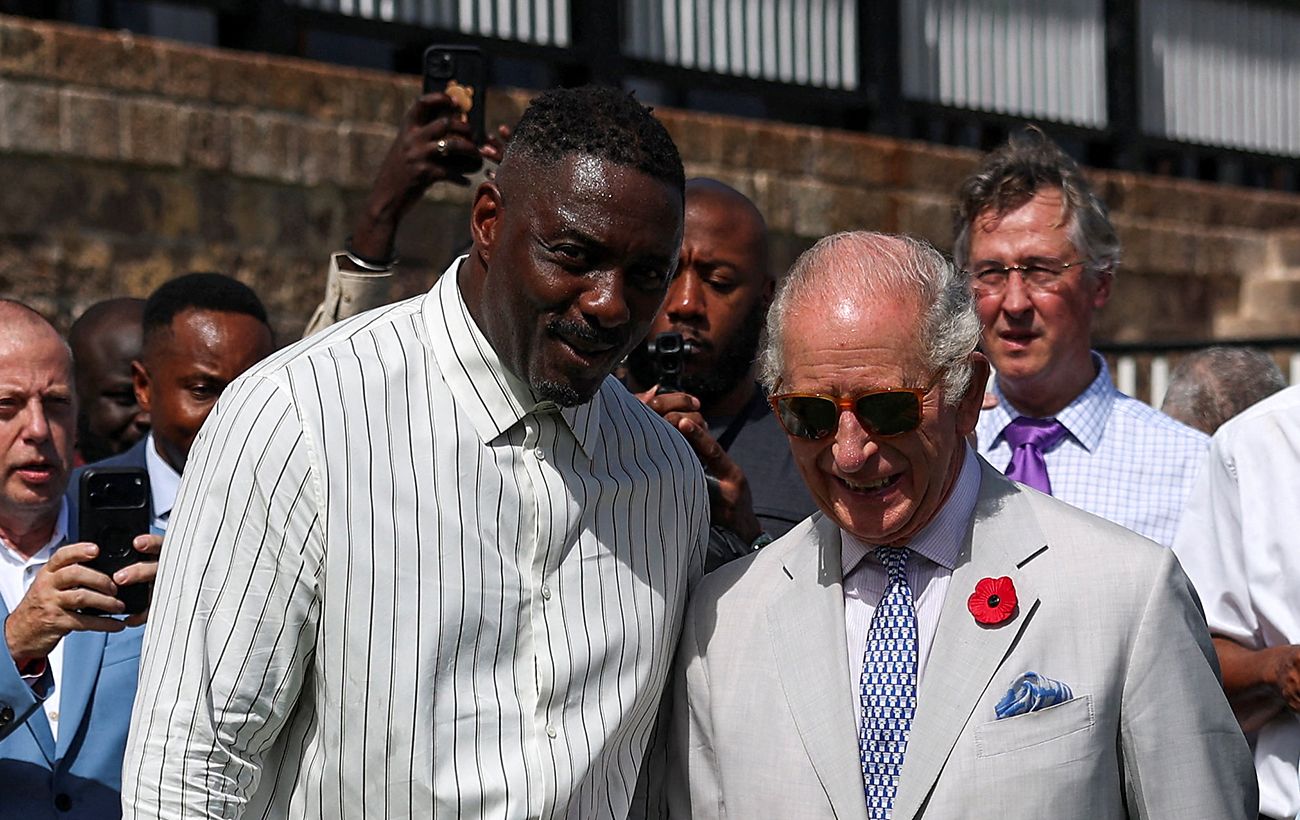
King Charles III and Idris Elba star in documentary on youth support
The British monarch and the acclaimed actor team up for a Netflix documentary highlighting the impact of charitable support on youth development.
 🛡️Security
Zelenskyy announces strengthened defense against Russian jet drones
President Volodymyr Zelenskyy held a Staff meeting to discuss countering new Russian UAVs and boosting national defense capabilities.
 🛡️Security
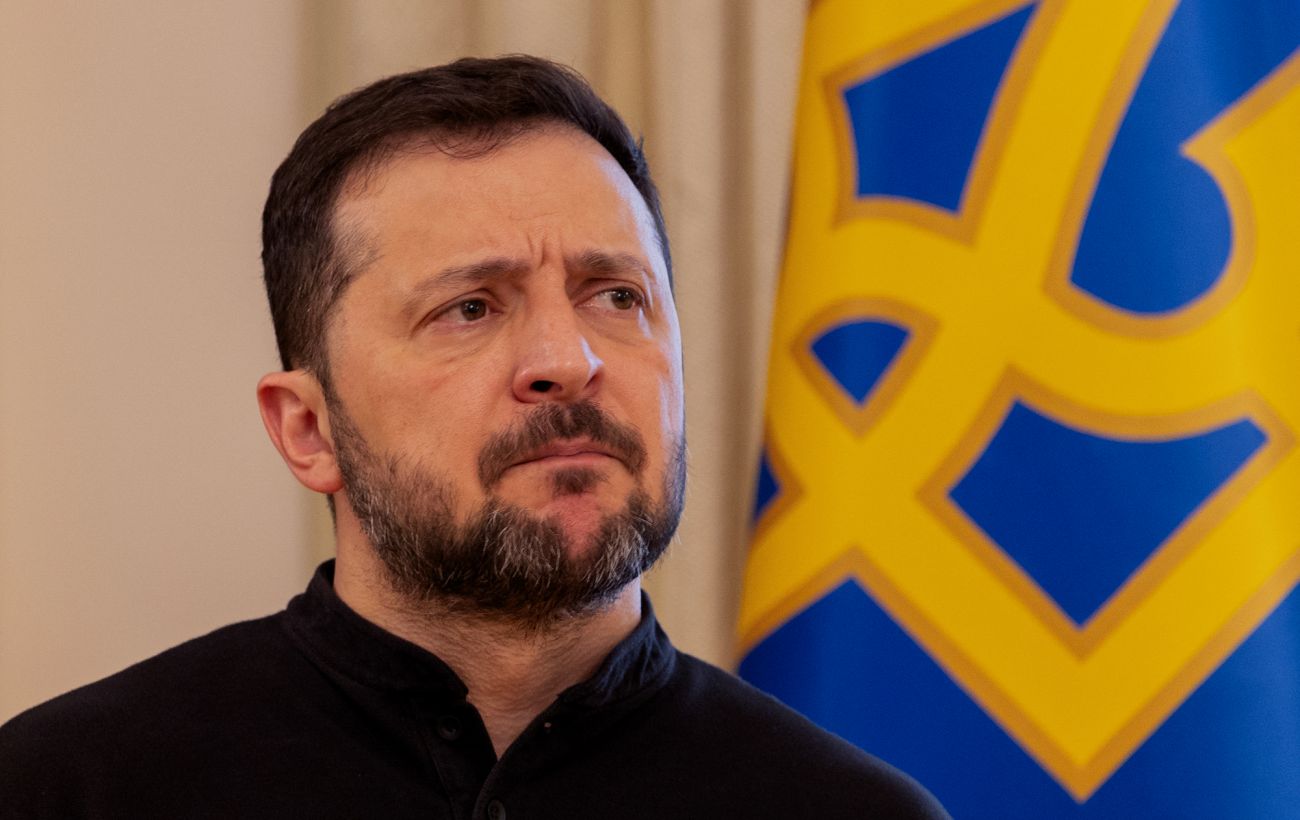
President warns of potential new massive missile attacks by Russia
Volodymyr Zelenskyy has urged Ukrainians to heed air raid alerts, citing intelligence reports on Russia's preparation for further missile strikes.