The Psychology of Personal Space: Why Not Everyone Enjoys Hugging
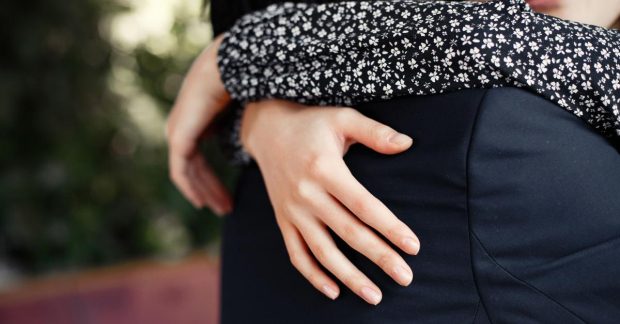
Psychologists suggest that avoiding physical contact is often linked to upbringing and personal boundaries rather than a lack of affection or emotional coldness.
 👥Society
Photo: UNIAN
Key points
- Avoidance of hugging is often a result of childhood family dynamics.
- Physical boundaries are a tool for emotional self-regulation.
- Respecting personal space is a key component of emotional intelligence.
Hugging is widely recognized as a universal gesture of affection, safety, and emotional closeness. While many find comfort in a warm embrace, others experience significant distress when their personal space is invaded, even by those they trust. According to psychological research, this aversion is rarely a sign of coldness but rather a complex interplay of various life factors.
The Role of Upbringing and Experience
As reported by La Nacion, experts point to several reasons why individuals might maintain physical distance. These include childhood experiences, self-esteem, personality traits, and cultural backgrounds. Upbringing plays a pivotal role; individuals raised in households where physical affection was scarce may grow up feeling unaccustomed to or uncomfortable with hugging.
"Early experiences can influence how each person interprets and perceives these manifestations of tenderness," experts explain.
For many, declining a hug is a way of establishing personal boundaries. It is a method of navigating relationships and expressing feelings in a way that feels safe and controlled, rather than an indication of a lack of love for others.
Social Implications and Communication
Understanding these boundaries is essential for healthy social interactions. Psychologists also note that people who tend to keep their emotions to themselves often use specific language patterns that can challenge their social connections. Recognizing that everyone has a different comfort level with touch allows for more respectful and effective communication. Furthermore, studies suggest that acts of kindness are often more appreciated when they go beyond expected social norms, regardless of physical contact.
Source UNIAN — unian.ua/curiosities/lyudi-yaki-unikayut-obiymiv-mozhut-mati-ci-oso… ↗
Read next
 🛡️Security
Swedish Gripen fighters for Ukraine: Zelensky announces expected timeline
President Volodymyr Zelensky stated that the first Swedish multi-role Gripen fighters are expected to enter service in Ukraine as early as January.
 🎭Culture & Sport
Billy Joel's Rare Triumph Motorcycle Sells for Record-Breaking Price
A 1978 Triumph Bonneville T140, previously owned by musician Billy Joel, sold at a New York auction for $577,000.
 🎓Education
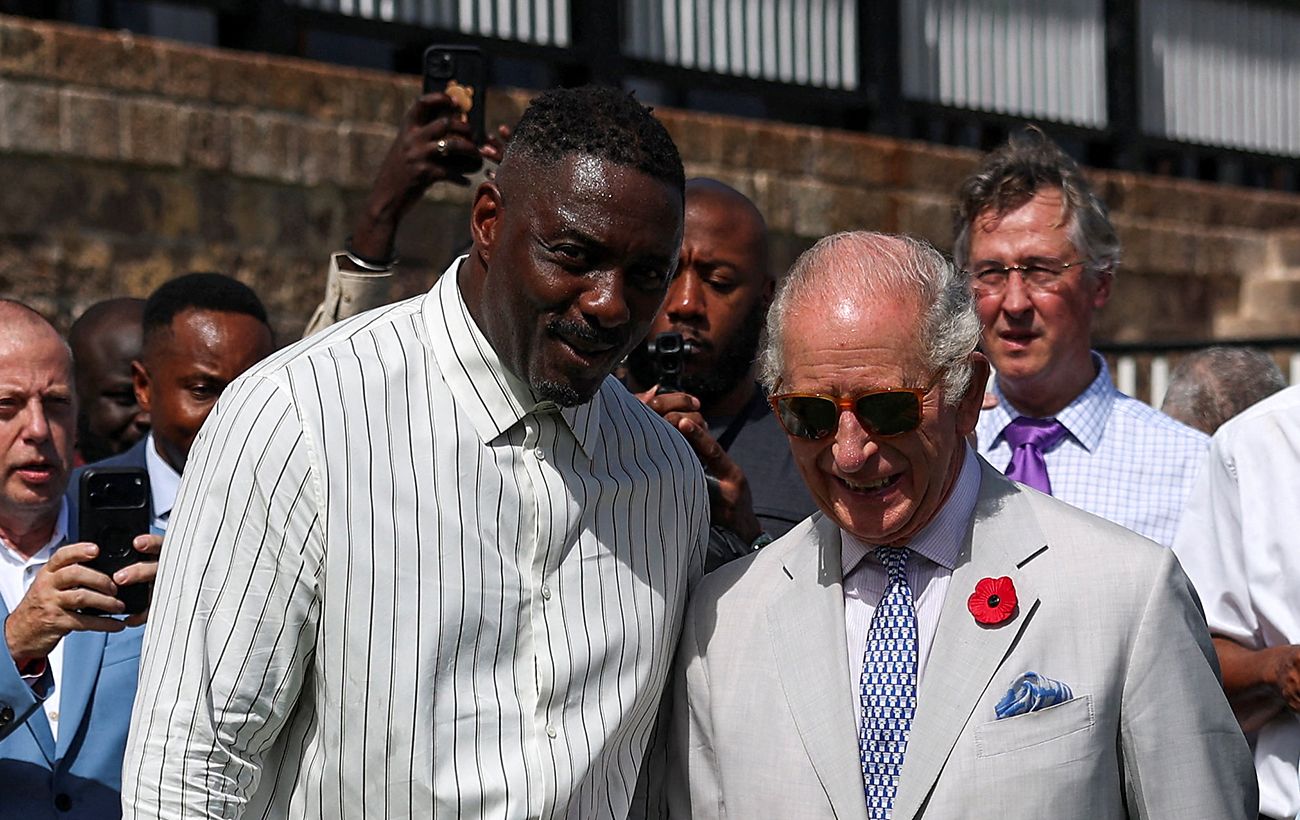
King Charles III and Idris Elba star in documentary on youth support
The British monarch and the acclaimed actor team up for a Netflix documentary highlighting the impact of charitable support on youth development.
 🛡️Security
Zelenskyy announces strengthened defense against Russian jet drones
President Volodymyr Zelenskyy held a Staff meeting to discuss countering new Russian UAVs and boosting national defense capabilities.
 🛡️Security
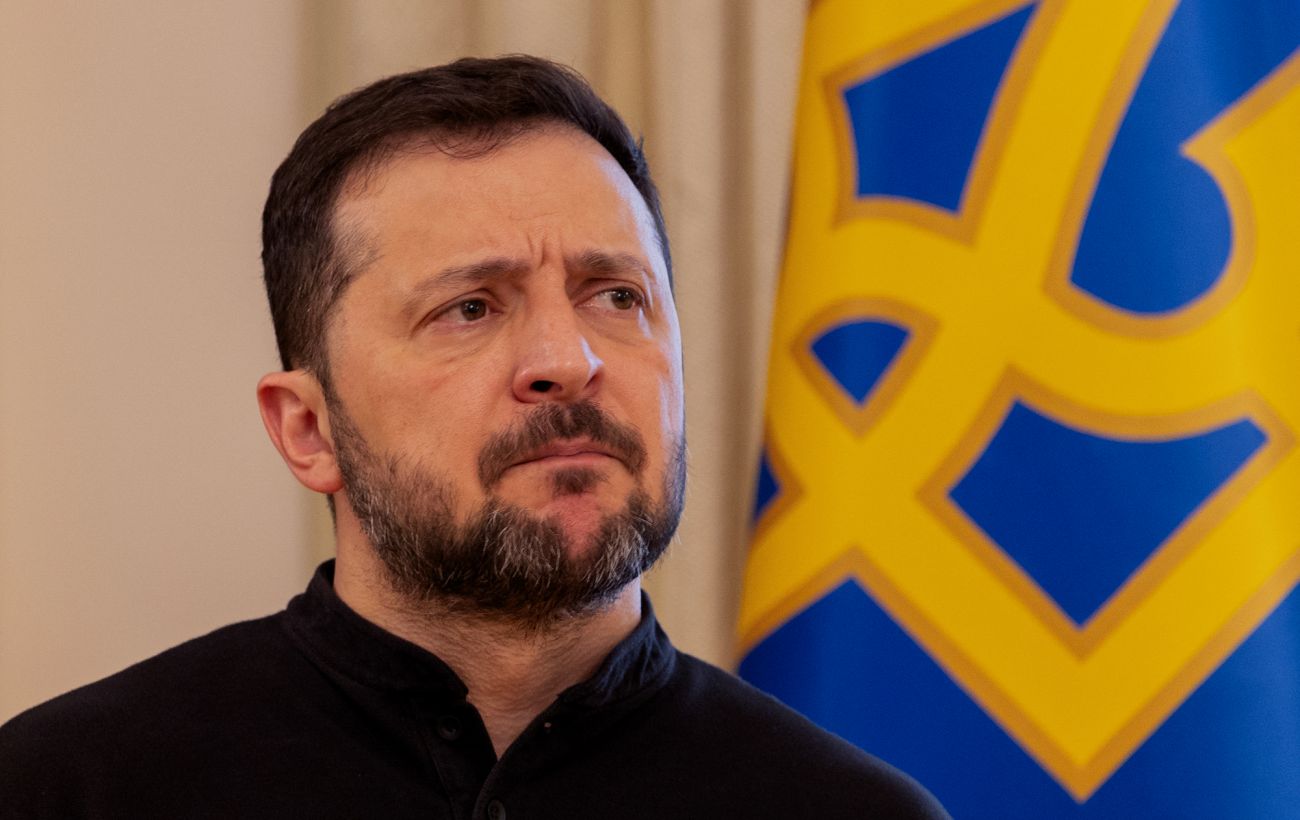
President warns of potential new massive missile attacks by Russia
Volodymyr Zelenskyy has urged Ukrainians to heed air raid alerts, citing intelligence reports on Russia's preparation for further missile strikes.
 🚌Transport
CUPRA tests high-performance version of Terramar crossover: details revealed
CUPRA is testing a new modification of the Terramar crossover, which may feature a 333 hp engine and enter the market in 2027.